
Fair prices. Fast approvals. Your health always comes first. Get Qualified for a Delaware Medical Marijuana Card Today.
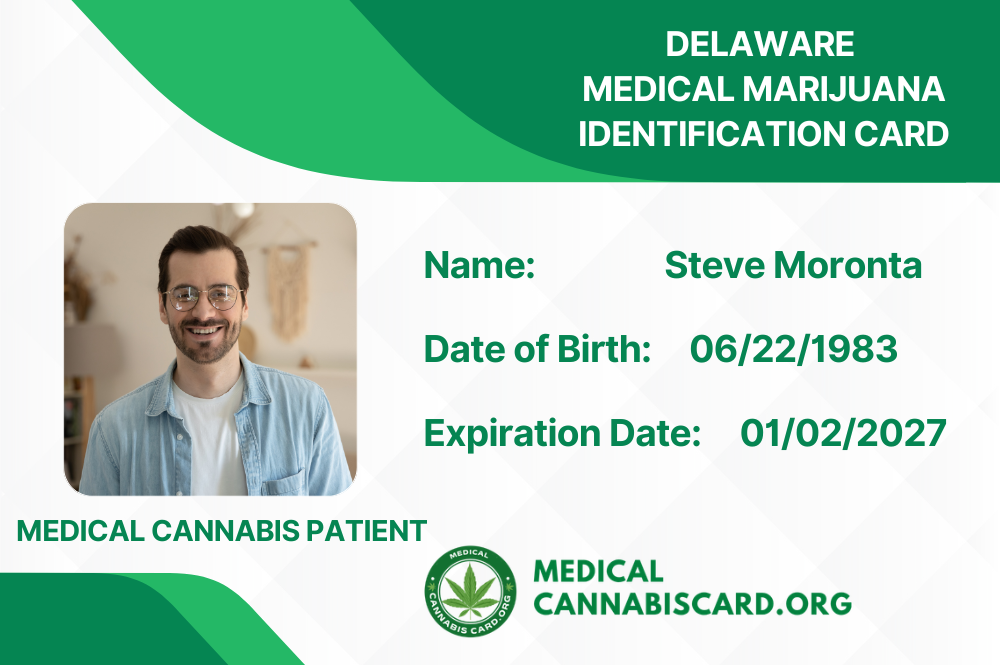
As we move into a new era of healthcare in the First State, many residents are finding that traditional medicine doesn’t always provide the relief they need. Whether you are dealing with the sharp, damp winters that rattle the bones in your historic New Castle colonial or the persistent humidity of a Rehoboth Beach summer that flares up chronic inflammation, understanding the qualifying conditions for Medical Card in Delaware 2026 is the first step toward a higher quality of life.
Despite the expansion of adult-use cannabis, the Medical Marijuana Program (MMP) remains a cornerstone for patients seeking higher possession limits, lower costs, and professional medical guidance tailored to their specific health needs.
You might wonder why a medical card is necessary now that the landscape of cannabis has changed in Delaware. For many, from the quiet suburbs of Bear to the bustling agricultural hubs of Kent County, the medical card offers protections that the recreational market simply cannot.
Medical patients in Delaware benefit from tax exemptions, access to higher-potency products, and legal safeguards that are crucial for those living in diverse housing situations—from senior living communities in Wilmington to multi-family homes near the University of Delaware.
Navigating the qualifying conditions for Medical Card in Delaware 2026 allows you to work directly with healthcare providers who understand how cannabis interacts with other medications. This professional oversight is vital for residents who frequent the Christiana Care system or the Bayhealth centers and want to ensure their holistic approach aligns with their primary clinical treatments.
To receive a medical marijuana recommendation in Delaware, a patient must be diagnosed with a “debilitating medical condition” as defined by state law. The Department of Health and Social Services (DHSS) continually reviews this list to ensure it meets the needs of our community.
Chronic pain remains the most common reason Delawareans seek a medical card. Whether it’s a lingering injury from a blue-collar job at the Port of Wilmington or age-related wear and tear, if your pain has lasted more than six months and hasn’t responded to traditional treatments, you likely qualify. This includes:
For residents living with neurological conditions, cannabis can be life-changing. Delaware’s program specifically includes:
The “First State” provides compassionate access for those facing the toughest battles. Any patient diagnosed with cancer or a terminal illness with a prognosis of less than 12 months is eligible.
The focus here is on improving the quality of life, whether that means increasing appetite or managing the grueling side effects of chemotherapy treatments received at the Helen F. Graham Cancer Center.
Post-Traumatic Stress Disorder (PTSD) is a significant qualifying condition in Delaware. With a large population of veterans who have served at the Dover Air Force Base and first responders who keep our streets safe from Elsmere to Seaford, the state recognizes the importance of medical cannabis in managing trauma-related anxiety, night terrors, and hyper-vigilance.
If you believe you meet the qualifying conditions for a Medical Card in Delaware 2026, the process has become significantly more streamlined through telemedicine. You no longer need to navigate the traffic on I-95 or search for parking in downtown Wilmington just to see a specialist.
For many residents living in the ranch-style homes of Sussex County or the split-levels of Newark, this digital-first approach ensures that mobility issues or transportation hurdles never stand in the way of wellness.
Consider the story of “Mark,” a 58-year-old retired veteran living near the Monster Mile in Dover. Mark suffered from chronic back pain and PTSD for years. He was hesitant to try cannabis, fearing the “stigma.” However, after learning about the updated qualifying conditions for the Medical Card in Delaware 2026, he realized his condition was officially recognized.
Mark used a telehealth service from his living room, spoke with a compassionate doctor who understood his military background, and received his card within weeks.
Today, Mark spends his weekends fishing at Cape Henlopen State Park, managing his pain with a localized topical cream and a low-dose tincture, avoiding the heavy opioids he once relied on.
While Delaware has moved toward broader access, the medical card remains financially savvy. Medical patients are exempt from the excise taxes applied to adult-use purchases.
Over the course of a year, for someone managing a chronic condition, these savings can easily reach hundreds of dollars, money better spent on your mortgage in Middletown or a family dinner at a local farm-to-table spot in the Brandywine Valley.
Once approved, your card is your key to Delaware’s Compassion Centers. These facilities are staffed by experts who can guide you through different strains and delivery methods.
Whether you prefer the convenience of a dispensary near the Christiana Mall or a beachside location in Lewes, having a medical card ensures you receive “patient-first” service and access to products that are rigorously tested for purity and potency.
It is important to note that while Delaware laws protect medical patients, you should always stay informed about your specific workplace policies. Being a registered patient provides a layer of legal protection under state law regarding the possession of your medicine, which is essential for residents living in everything from student housing to professional apartments in Wilmington’s Riverfront district.
The landscape of health is changing, and Delaware is at the forefront of providing relief through its Medical Marijuana Program. By understanding the qualifying conditions for Medical Card in Delaware 2026, you empower yourself to make informed decisions about your well-being.
Don’t let another season of Delaware weather dampen your spirit or keep you confined to your home. Explore your options, speak with a professional, and see if you qualify for the relief you deserve.
Yes, Delaware law allows citizens to petition the Department of Health and Social Services to add new conditions to the list. This process usually requires medical evidence and a formal hearing.
Not all doctors are comfortable recommending cannabis. If your primary care physician is hesitant, you can seek a second opinion from a state-licensed medical marijuana evaluator who specializes in cannabinoid medicine.
While general anxiety is not explicitly listed, PTSD is. Many patients with severe anxiety find that their symptoms fall under the umbrella of other qualifying conditions, such as chronic pain-related stress or PTSD. An evaluation is the best way to find out.